
Anatomy.app Content News in September

Hello, September!🍂 While pumpkin spice latte season is slowly approaching and the days are starting to become shorter, our list of newly added content is only getting longer. As every month, we have prepared fresh content news we want to share with you.
So, September has started with a lot of updates. These include a brand-new 3D article on the veins of the female pelvis, several colorful videos on the facial muscles, a massive collection of fresh illustrations, and a new quiz so you can start the new semester with a challenge.
As the tree leaves slowly turn golden and the air becomes crispier, we promise to continue our journey of adding the best anatomy materials that are out there in the virtual jungle. But first, let’s take a closer look at what we’ve already added to the app in September.
1. 3D Anatomy: New 3D Article
Our 3D Anatomy section received an additional 3D article in September, bringing the total to 77 articles. This new article focuses on the veins of the female pelvis. It is available under the Pelvis category when browsing by region, or under the Cardiovascular System category when browsing by organ systems.
The article contains 17 slides, each highlighting a particular vein. In the article, you will find both visual and textual information on veins such as the common iliac vein, external iliac vein, and internal iliac vein. It also reviews the main tributaries of the mentioned veins, including gender-specific veins.
Last month, we added a similar article to our 3D Anatomy category, specifically 3D veins of the male pelvis, so it made perfect sense to add the female veins as well. Now you can compare the vascular networks of both genders. Why not start exploring right away?
Check out the veins of the female pelvis in 3D: https://anatomy.app/article/veins-female-pelvis/overview
2. Media Library: New Videos
It’s been a while since we last added new videos to our Media Library, but it was time to change that. We recently reprocessed our 3D Facial muscles article (you can read all about it in the previous blog post). Since our team had created some amazing 3D models, we made them shine in a set of six brand-new videos focusing on the face.
These videos include two overviews of all the facial muscles (one of which is a colored version). We also reviewed the muscles according to the regions in which they are positioned. As you may know, the facial muscles are primarily grouped around the natural orifices of the face - the eyes, nose, and mouth - and are responsible for closing or widening these structures. Therefore, we reviewed them by their respective groups.
Here is the complete list of the new videos added to our Media Library:
- Facial muscles (overview)
- Facial muscles (colored)
- Orbital group of facial muscles
- Nasal group of facial muscles
- Oral group of facial muscles (part 1)
- Oral group of facial muscles (part 2)
Watch the new videos now: https://anatomy.app/media?categoryType=regions&mediaType=video
3. Media Library: New Illustrations
In addition to the new videos, our Media Library also received a ton of new illustrations. Overall, we focused on three topics: facial muscles, deep back muscles, and the intestines.
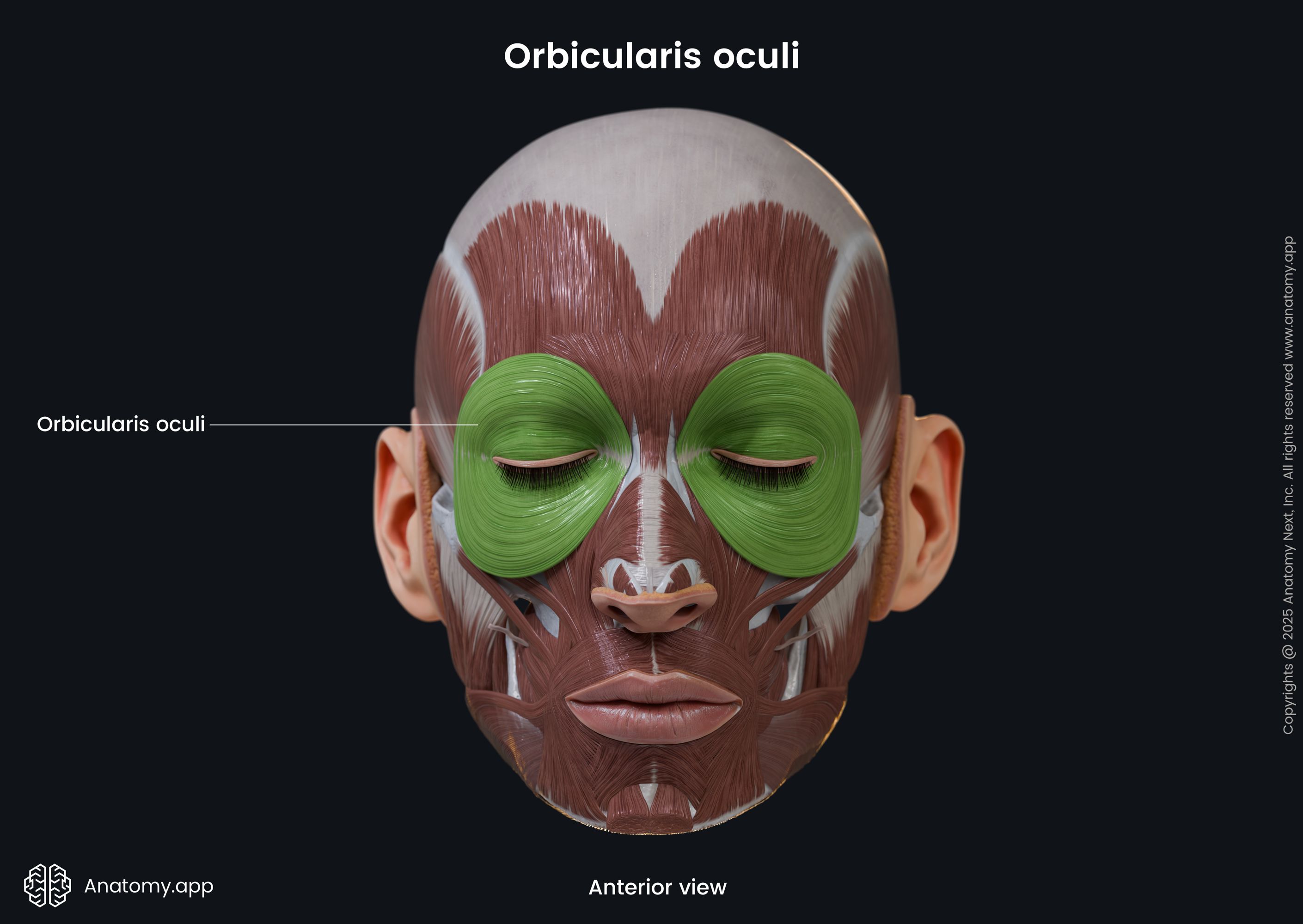
The largest number of illustrations was created for the facial muscles. You might be surprised, but we've added a total of 192 illustrations (and we are continuing to add more!). Each facial muscle, even the smallest ones, is shown in anterior, anterolateral, and lateral views. Some of them are even illustrated from the inferior aspect, while others have been zoomed in so you can see the tiniest details.
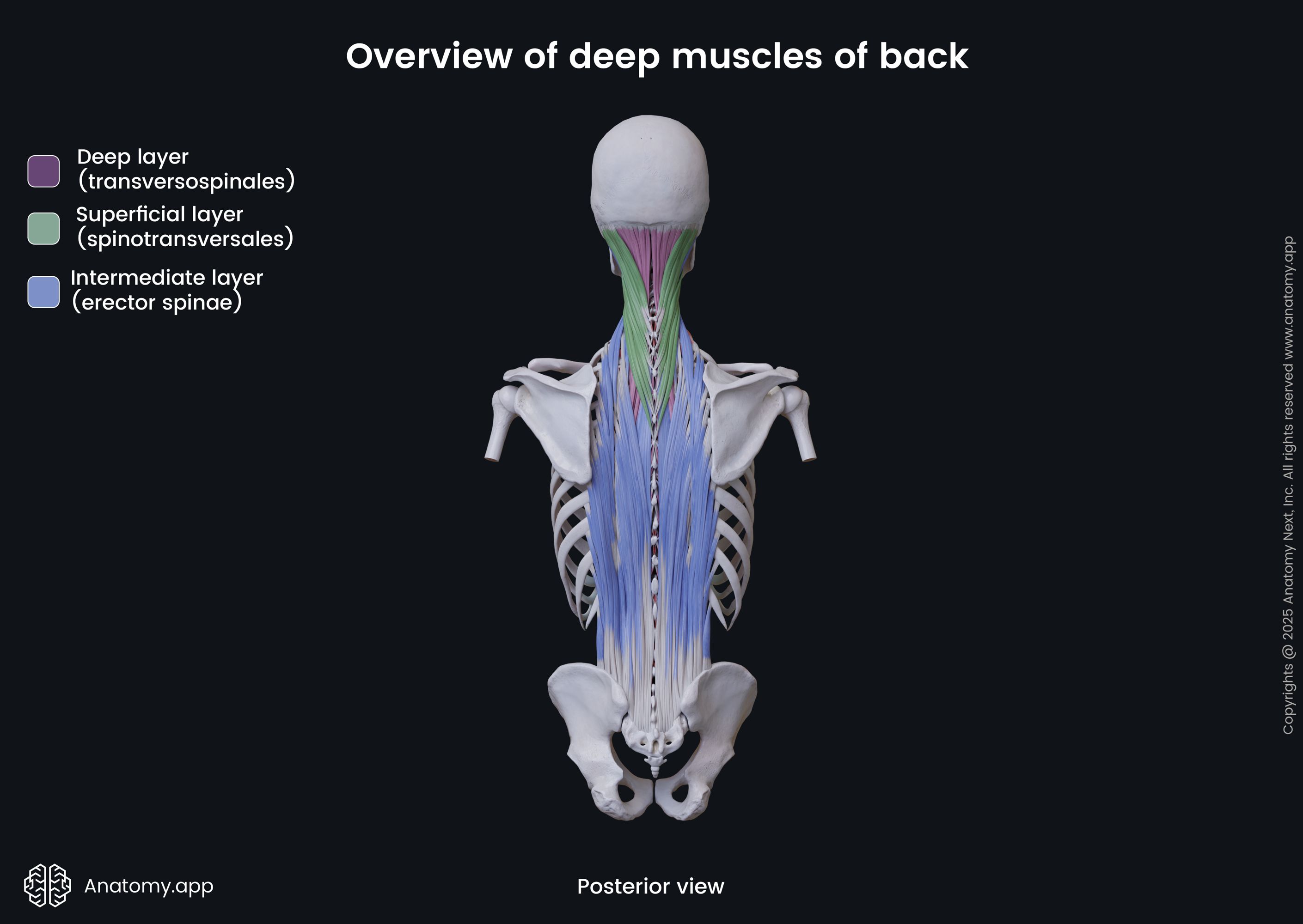
As mentioned, we also made a batch of illustrations on the deep back muscles. Now, you can find the erector spinae, iliocostalis, longissimus, spinalis, semispinalis, multifidus, levatores costarum, interspinales, intertransversarii, splenius capitis, splenius cervicis, and rotatores spinae muscles illustrated.
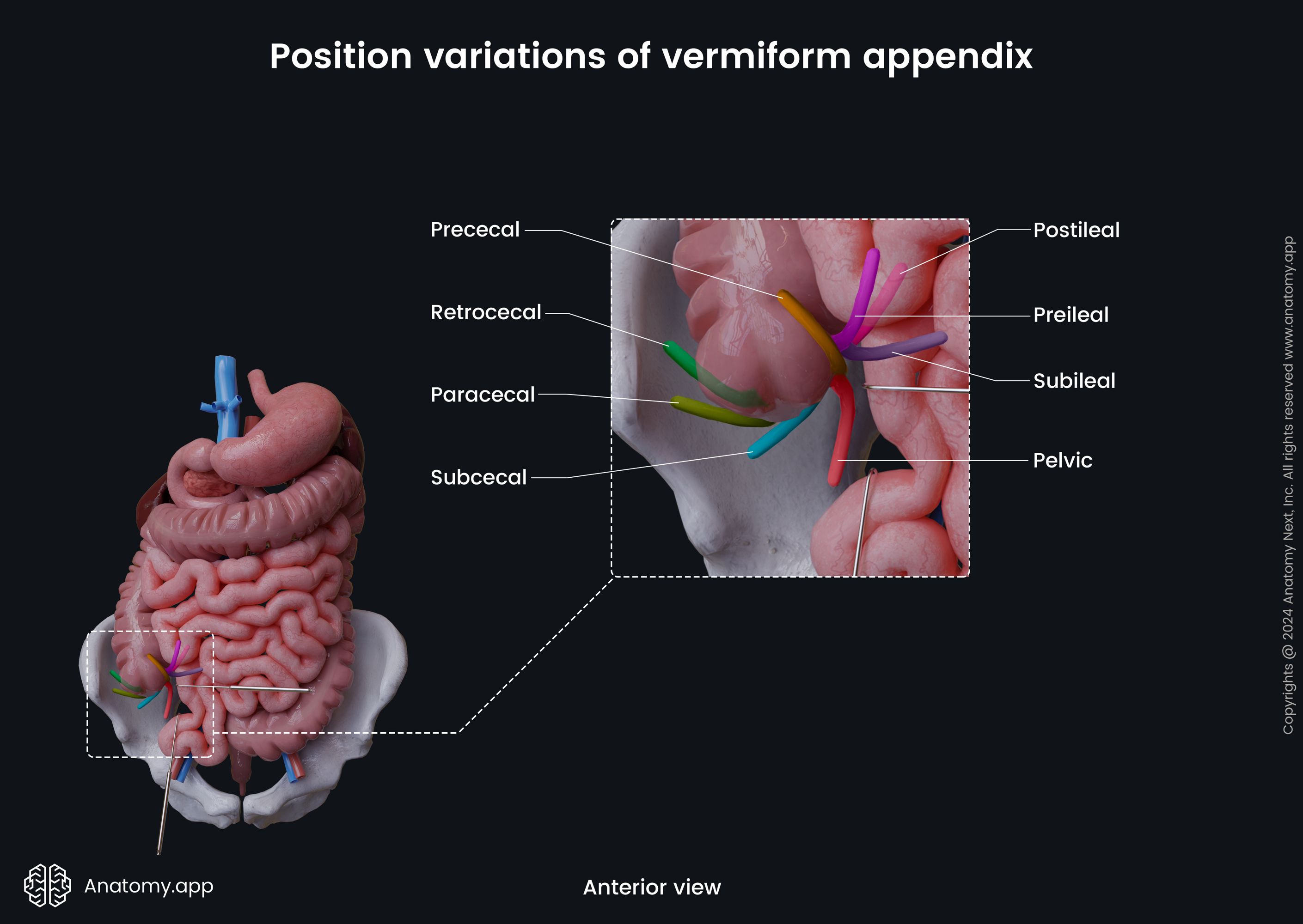
And finally, we added a couple of illustrations of the intestines. In one of them, we compared the arterial arcades and vasa recta of the jejunum and ileum, while in the other, we focused on the vermiform appendix and its variations in position. As you may know, the position of the vermiform appendix varies considerably among individuals, and in our illustrations, we reviewed some of its most likely positions.
Explore the new illustrations: https://anatomy.app/media?categoryType=regions&mediaType=image
4. Quizzes: New Quiz
We have also added a new quiz on the veins of the female pelvis to our Quizzes section - and yes, it matches the latest 3D content. Like all our other quizzes, this quiz is also available in four difficulty levels. The base and intermediate levels each contain 18 questions. The advanced level features 29 questions, while the expert level has 34 questions.
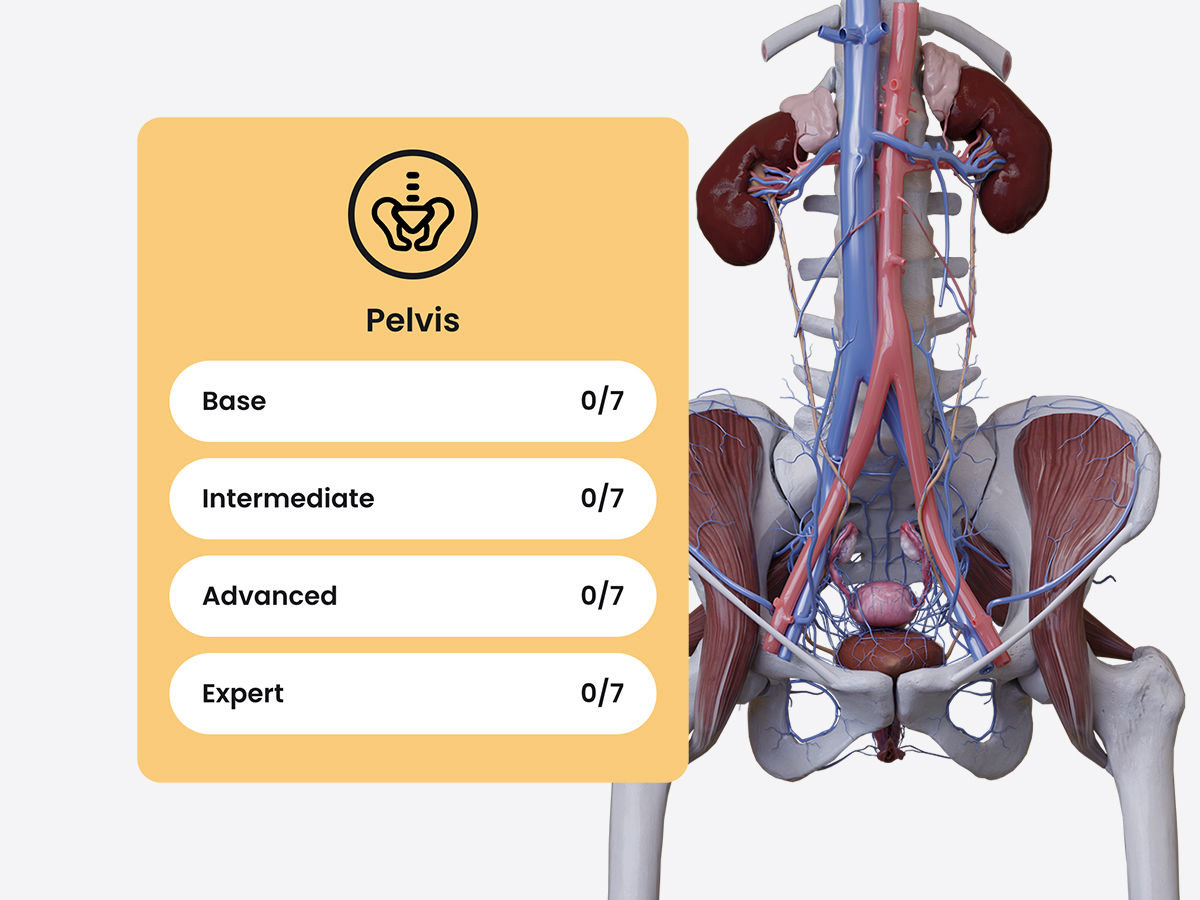
This quiz contains a variety of question types to keep all learners entertained. Those include multiple-choice questions, fill-in-the-blank, complete-the-sentence, and identify-the-structure-from-an-illustration type questions.
Test your knowledge now: https://anatomy.app/quizzes
Final Note
Together, these updates remind us why we never stop creating. Undoubtedly, anatomy is detailed and complex, yet endlessly fascinating. And each new article, video, illustration, or quiz helps capture just a little more of that wonder. With this round of updates, our app feels more alive than ever. We hope these new additions inspire you to continue learning, questioning, and discovering.
Happy autumn,
The Anatomy.app Team🧠
Related blogs:


Anatomy.app
Contact information
- For questions regarding business inquiries. Please contact:
- info@anatomy.app