
Anatomy.app Content News in February

February is in full swing, and while winter is still holding us in its grip, the new year’s energy hasn’t gone anywhere - it is still in the air, keeping us moving forward. So, it’s the perfect time to refresh your anatomy knowledge and check out the latest updates we’ve added to Anatomy.app.
This month, we’ve uploaded two brand-new videos and a ton of colorful illustrations to the Media Library. In addition, we’ve added two new Encyclopedia articles, and our Quizzes section now includes an updated quiz on the External anatomy of the heart. So there’s plenty of new content for everyone to watch, explore, read, and use to test their knowledge.
But now, let’s jump in and see in detail what’s new this February!😎
1. Media Library: New Videos
As we wrote before, our Media Library received two new videos in February. The first is a 360° video of the Nerves of the female pelvis. Just like its male counterpart, which we added to the Media Library in December, it presents the pelvis in continuous rotation. This gives a complete view of the female pelvic nerves from every angle.
The video highlights the major nerves of the lumbar, sacral, and coccygeal plexuses. You can also see their branching patterns and how they interact with adjacent nerves and structures. In the video, viewers can see both the anterior and posterior divisions of these plexuses, gaining a deeper understanding of how the complex network of nerves controls motor function, sensory perception, and autonomic regulation in the female pelvis.
The second video focuses on the Cerebral gyri, offering a dynamic 360° view of the brain's surface anatomy. This video allows you to explore the major gyri, their positions, and how they relate to one another in three-dimensional space. We have also labeled some of the gyri, so you could easily recognize them. This video is a perfect visual reference for anyone looking to understand or strengthen their knowledge of cortical anatomy. The brain can be tricky, but not if you have a video like the one we have just dropped, so make sure to check it out!
Watch the new videos now: https://anatomy.app/media?categoryType=regions&mediaType=video
2. Media Library: New Illustrations
This month, our Media Library received a large collection of detailed illustrations. While we added a mix of topics, we placed a special focus on the nerves of the female pelvis. Our newest illustrations mostly review the nerves of the lumbar, sacral, and coccygeal plexuses. However, we also included some illustrations showcasing the dorsal rami of the spinal nerves, as well as the superior and middle cluneal nerves. All nerves are shown in precise anatomical detail and from various views, making it easier to understand their course and relationships.
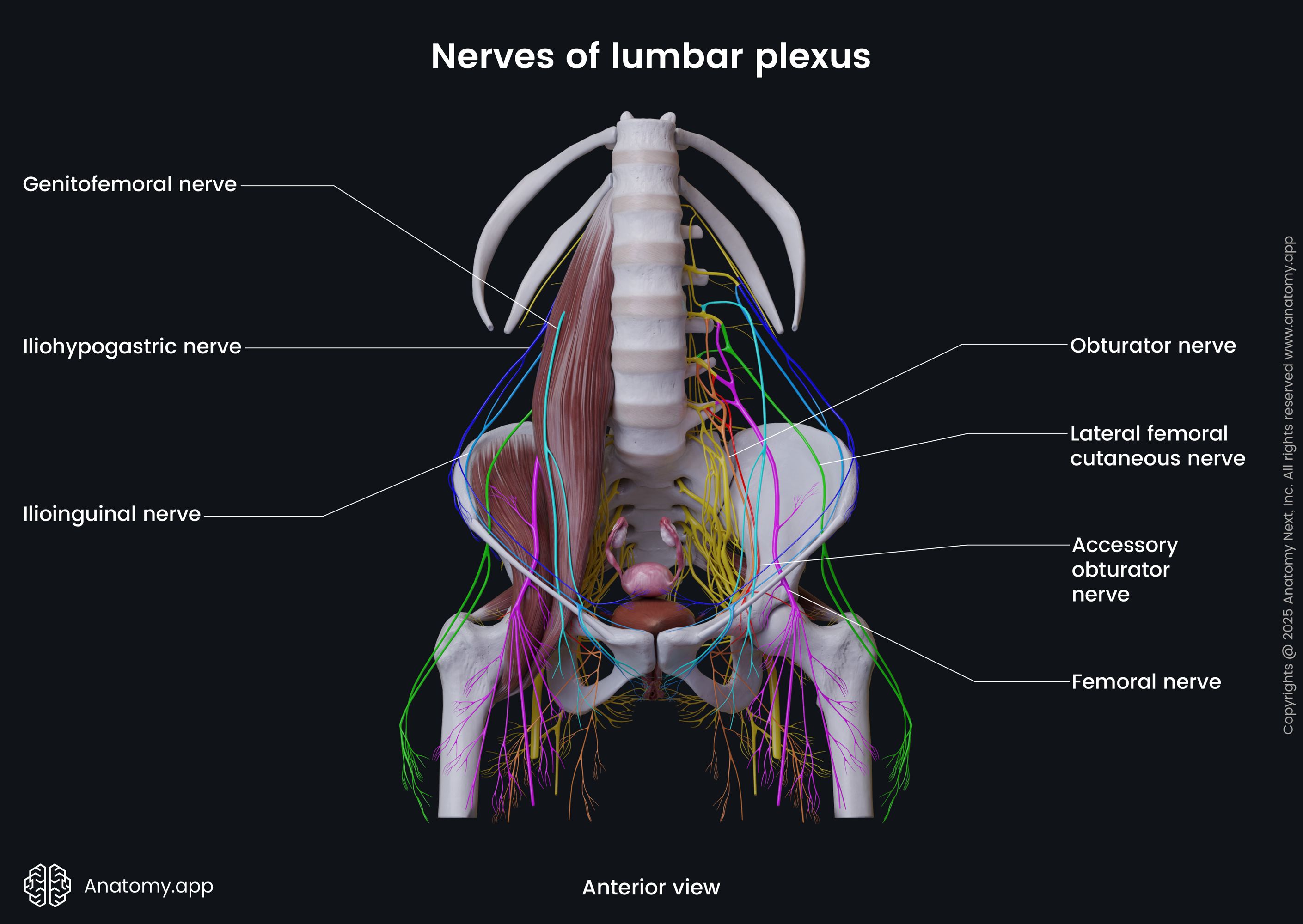
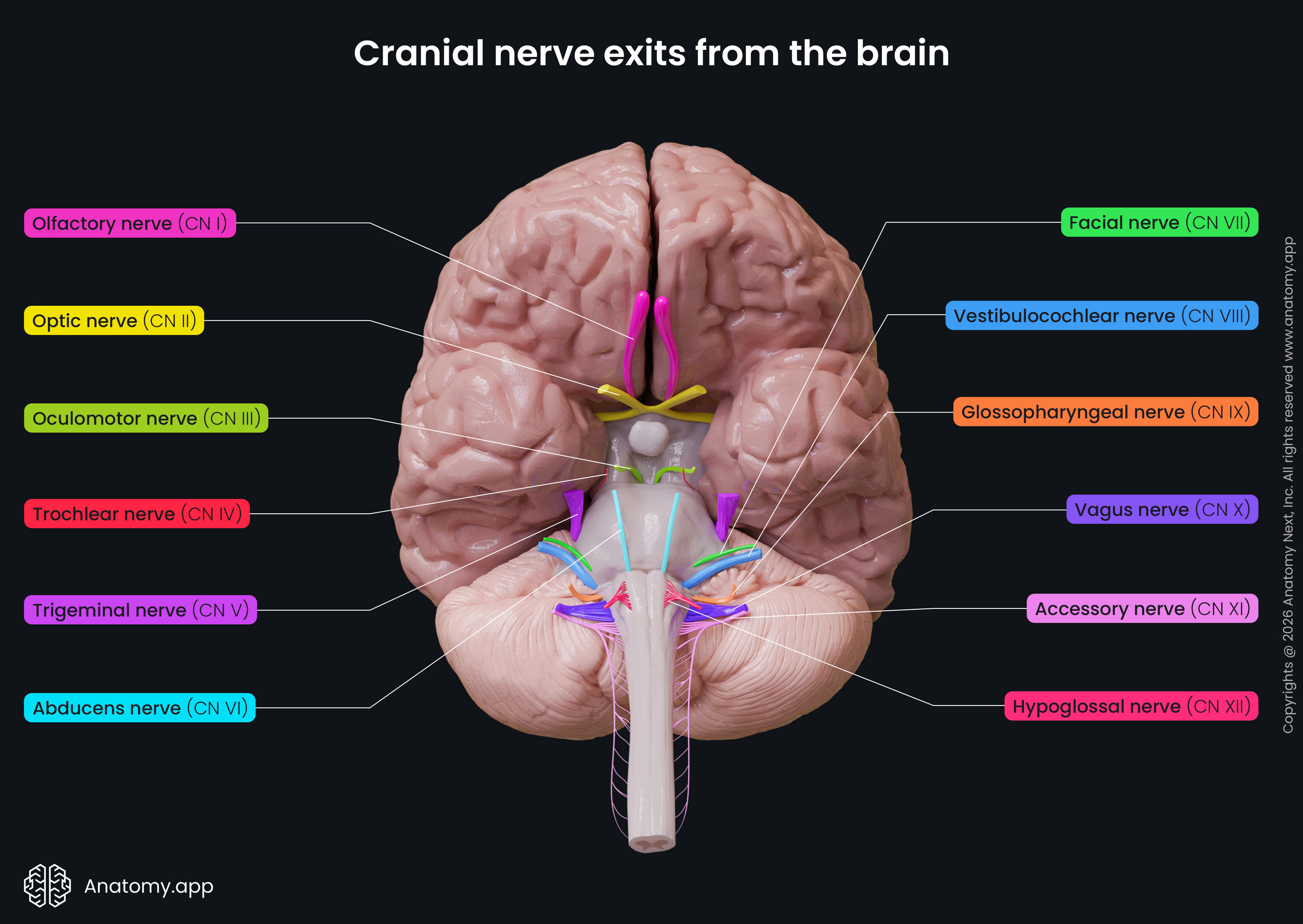
In addition to the female pelvic nerves, we’ve added an illustration of the cranial nerve exits from the brain and two illustrations of the deep circumflex iliac arteries (male and female versions). Altogether, these fresh illustrations serve as a valuable visual guide for anyone studying and trying to understand anatomy. And we’re confident they will also be much appreciated by teachers and those currently revising anatomy knowledge.
Here is the full list of our newest illustrations:
- Lumbar plexus
- Iliohypogastric nerve
- Ilioinguinal nerve
- Genitofemoral nerve
- Obturator nerve
- Accessory obturator nerve
- Lateral femoral cutaneous nerve
- Femoral nerve
- Lumbosacral trunk
- Sacral plexus
- Superior gluteal nerve
- Inferior gluteal nerve
- Nerve to piriformis muscle
- Perforating cutaneous nerve
- Nerve to obturator internus
- Nerve to quadratus femoris
- Pudendal nerve
- Perineal nerve
- Nerve to levator ani
- Nerve to coccygeus muscle
- Posterior femoral cutaneous nerve
- Sciatic nerve
- Dorsal rami of spinal nerves
- Superior cluneal nerves
- Middle cluneal nerves
- Coccygeal plexus
- Deep circumflex iliac artery
- Cranial nerve exits from the brain
Explore the new illustrations: https://anatomy.app/media?mediaType=image
3. Encyclopedia: New Articles
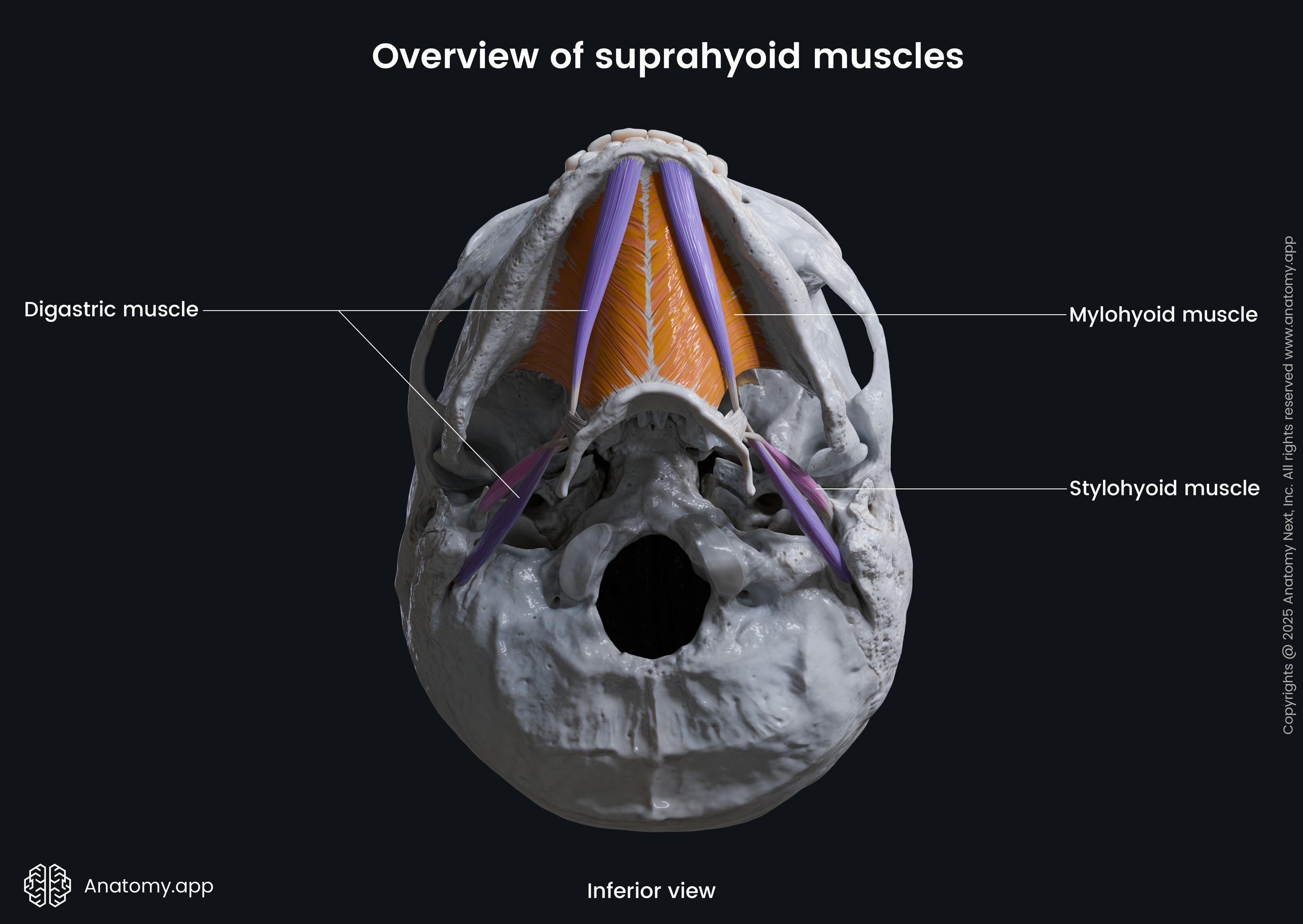
It’s been a while since we last added an article to our Encyclopedia section, but this month we changed that. Our Encyclopedia now features two new articles on the neck muscles: one on the Suprahyoid muscles and another on the Infrahyoid muscles. These articles are overviews of the mentioned muscle groups, reviewing each group and the muscles it represents.
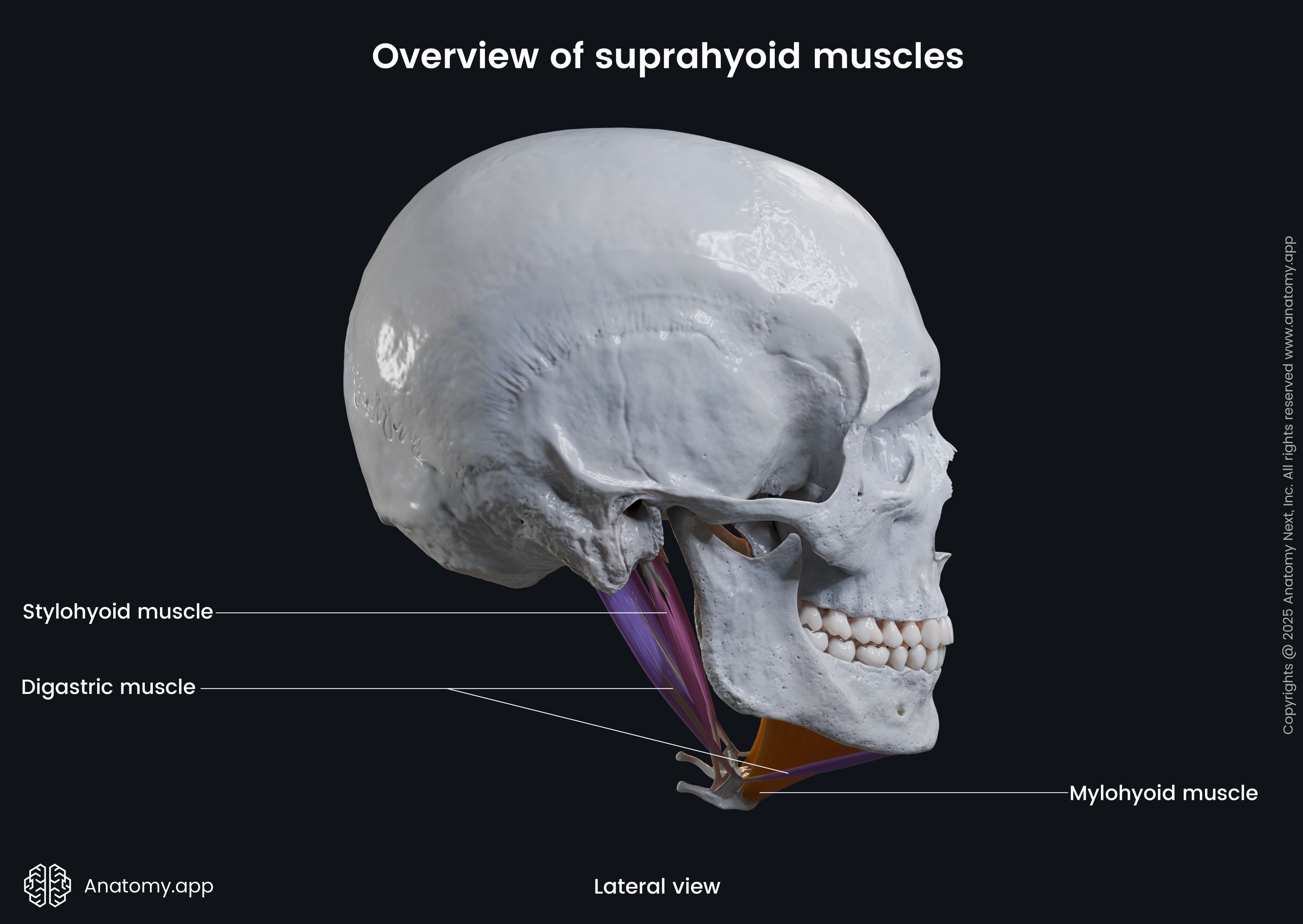
The suprahyoid muscles are a group of four paired muscles that are located above the hyoid bone. They connect the hyoid bone to the mandible and temporal bone, forming the floor of the oral cavity. These muscles elevate the hyoid bone during swallowing and phonation, and they also assist during chewing. This muscle group stabilizes the hyoid for coordinated movements of the tongue and mandible.
In contrast, the infrahyoid muscles, which are commonly called the “strap” muscles, are positioned below the hyoid bone. They extend to the sternum, clavicle, scapula, and larynx. These muscles are responsible for depressing the hyoid and larynx during swallowing and speech. Their coordinated action also maintains proper tension in the anterior neck and ensures efficient movement of the suprahyoid muscles.
Don’t miss the new article on the suprahyoid muscles: https://anatomy.app/encyclopedia/suprahyoid-muscles
4. Quizzes: New Quiz
In the Quizzes section, we’ve updated a quiz on the External anatomy of the heart. As with all our quizzes, it is available in four difficulty levels. In total, it contains 151 questions: 12 at the base level, 40 at the intermediate level, 32 at the advanced level, and 67 at the expert level.
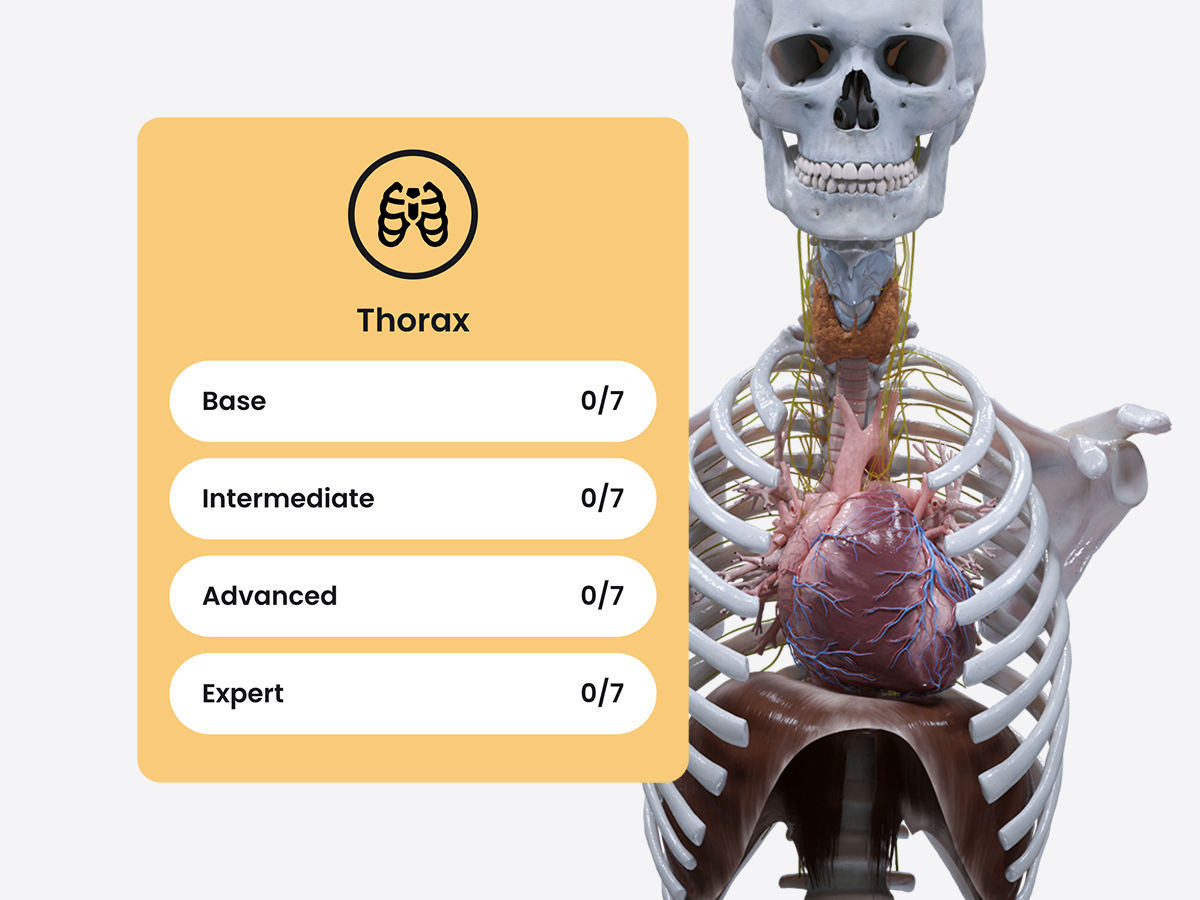
The quiz includes a mix of question types, such as single and multiple-answer questions, identifying structures from illustrations, and completing sentences. It’s designed to test the knowledge progressively, and each level challenges learners just the right amount. This quiz has it all - from fundamental recognitions of major heart structures to detailed questions of the coronary arteries and their branches.
Take the quiz: https://anatomy.app/quizzes
Final Note
That’s it for February’s updates! From all of us at Anatomy.app, we hope your month is going smoothly and that you find a little time for curiosity, surprises, and the small moments that make each day interesting. And with the latest videos, illustrations, articles, and quizzes, there are plenty of new insights into the structure and organization of the human body to explore and appreciate.
See you in the spring,
The Anatomy.app Team🧠
Related blogs:


Anatomy.app
Contact information
- For questions regarding business inquiries. Please contact:
- info@anatomy.app